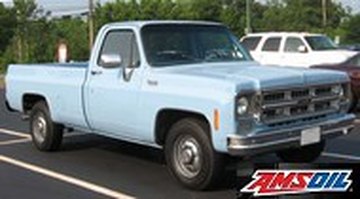
Lubrication Maintenance for the 1981 Gmc Trucks C2500 4.1L
Maintaining a vehicle of this era requires a proactive approach to fluid management and mechanical inspection. For owners of the 1981 Gmc Trucks C2500 equipped with the 4.1L engine, consistent attention to lubrication systems is a fundamental aspect of long-term engine health. Because older engines often operate under different thermal and mechanical stresses than modern counterparts, understanding how to monitor and respond to changes in lubricant condition is essential.
Monitoring Fluid Integrity and Condition
A primary component of routine service involves observing the physical state of the engine oil. While a standard oil change is a scheduled necessity, the actual condition of the fluid between services can provide valuable information about the engine's internal environment. When performing an inspection, look for several key indicators:
- Color and Clarity: Significant darkening of the oil may be expected over time due to normal operation, but extremely opaque or gritty textures should be investigated.
- Odor: Unusual smells emanating from the crankcase can sometimes indicate that combustion byproducts are interacting with the lubricant in unexpected ways.
- Contamination: The presence of milky or frothy textures in the oil may suggest that other fluids, such as coolant, are entering the lubrication system. Such a condition warrants immediate professional inspection.
Regularly checking the level using the appropriate dipstick method ensures that the engine is never operating with insufficient lubrication. If you notice the oil level dropping more rapidly than expected between service intervals, it may indicate an issue that requires attention, such as an external leak or internal consumption.
Identifying Potential Seepage and External Leaks
As vehicles age, the various gaskets and seals that maintain fluid containment can undergo changes in their ability to hold pressure. For a 1981 Gmc Trucks C2500, it is useful to perform periodic visual inspections of the engine area to identify any signs of seepage. Rather than assuming a specific component has failed, look for the presence of wetness or residue on various surfaces.
Inspect accessible areas around the engine block and sealing surfaces for evidence of oil weeping. Even small amounts of seepage can eventually lead to significant fluid loss if left unaddressed. Additionally, check the area surrounding the oil filter to ensure that the seal is intact and that there is no residue indicating a loose or improperly seated component. If you observe fresh fluid accumulating on the underside of the vehicle or on engine components, it is an indication that the integrity of a seal or gasket may be compromised.
Managing Maintenance Records for Long-Term Ownership
For owners looking to preserve the operational life of their 4.1L engine, establishing a clear maintenance baseline is highly beneficial. If you have recently acquired this vehicle and do not have access to its previous service history, your first priority should be to document all upcoming services. This creates a "clean slate" from which you can track how the engine responds to new lubricants and different driving conditions.
Keeping a detailed log of when oil was changed, what type of lubricant was used, and any observations made during inspections allows you to identify patterns. For example, if you notice that fluid consumption increases after a specific service or under certain weather conditions, having a written history will help you and a technician diagnose the cause more effectively. Documentation should also include the replacement of any auxiliary components, such as air filters or if equipped, various belts and hoses, to ensure a complete picture of the vehicle's mechanical state is maintained.
Observing Signs That Warrant Investigation
It is important to distinguish between normal engine operation and symptoms that suggest an underlying issue. Because many different mechanical factors can produce similar symptoms, owners should treat new or changing sensations in the vehicle as prompts for investigation rather than definitive diagnoses.
If you notice unusual mechanical noises that coincide with engine operation, this could be related to various internal or external components and should be evaluated. Similarly, if the engine exhibits signs of overheating, it is vital to check all cooling-related components and fluid levels immediately. Any sudden changes in how the engine idles or responds to throttle inputs can also be associated with lubrication or fuel system issues. Always approach these symptoms with the understanding that they may indicate multiple potential causes, ranging from simple sensor issues to more complex mechanical requirements.
Practical Inspection of Auxiliary Components
While focusing on the engine's lubrication is critical, a holistic maintenance approach includes inspecting the components that support engine operation. If equipped, inspect accessible drive belts for signs of deterioration such as cracking, glazing, or fraying. These belts often drive essential accessories, and their condition can impact the overall reliability of the vehicle.
Furthermore, if the vehicle is equipped with various hoses, check them for excessive softness, brittleness, or visible leaks. Ensuring that the cooling system and vacuum lines are in good condition helps prevent secondary issues that could eventually affect engine temperature and lubrication efficiency. Regularly checking electrical connections and wiring harnesses for signs of corrosion or fraying can also prevent intermittent electrical issues that might mimic mechanical symptoms.
Buying Engine Oil for your 1981 Gmc Trucks C2500 4.1L
When it is time to replenish the lubrication in your engine, the most important step is to ensure the product matches the specific requirements of your application. Do not rely on general automotive knowledge or assumptions based on the age of the truck to select a lubricant. Instead, match the engine oil to the application-specific viscosity information already displayed on this webpage.
When shopping for products, carefully review the labels to confirm they meet the necessary quality standards and certifications. Depending on your specific maintenance goals and the current condition of your engine, you may encounter various options, including conventional oils, synthetic blends, or full synthetic formulations. Some high-mileage oil formulations contain additives intended for use in aging engines, such as seal-conditioning additives, which may be a consideration for older vehicles showing signs of seepage. Always verify that the product you are purchasing is compatible with the information provided in your vehicle's documentation before completing your purchase.